 ultimate-guide
Why Choose Small Batch Tallow? The Real Difference
Table of Contents
- What Actually Sets Small Batch Tallow Apart
- Grass-Fed Sourcing vs. Feedlot Fat: Why Origin Matters
- What Is the Fatty Acid Profile of Grass Fed Tallow?
- Small Batch Tallow and the Skin Barrier: More Than Moisture
- Tallow Balm Shelf Life and Storage: What to Expect
- What to Look for When Buying Artisanal Tallow
- The Verdict: Is Small Batch Tallow Worth It?
- Frequently Asked Questions
Last Updated: September 7, 2026
What Actually Sets Small Batch Tallow Apart
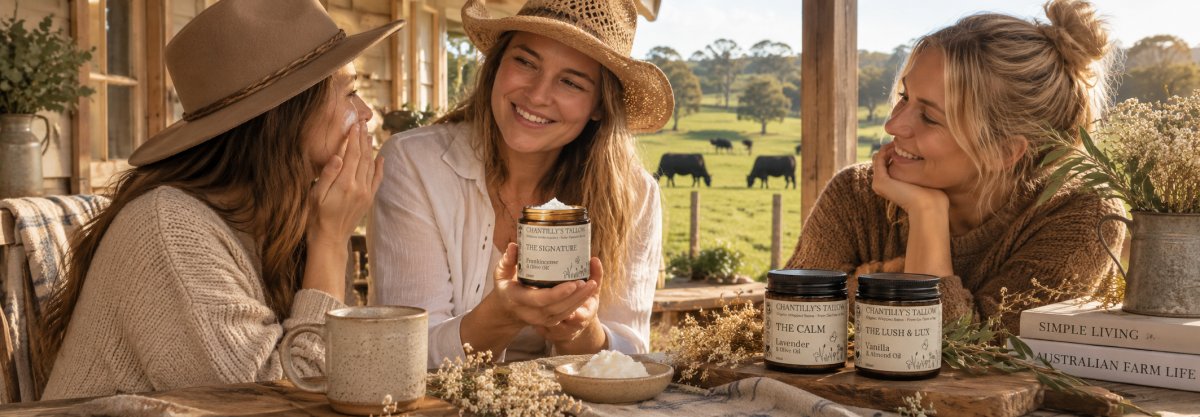
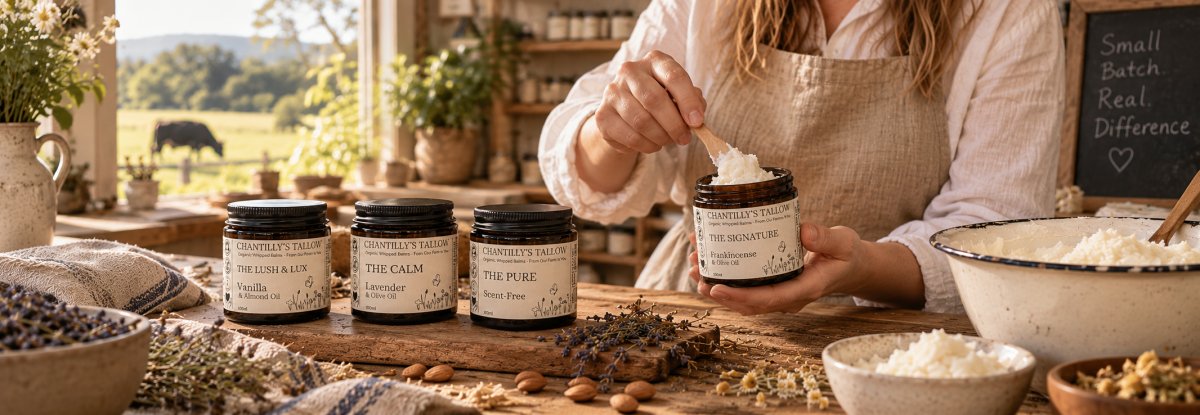
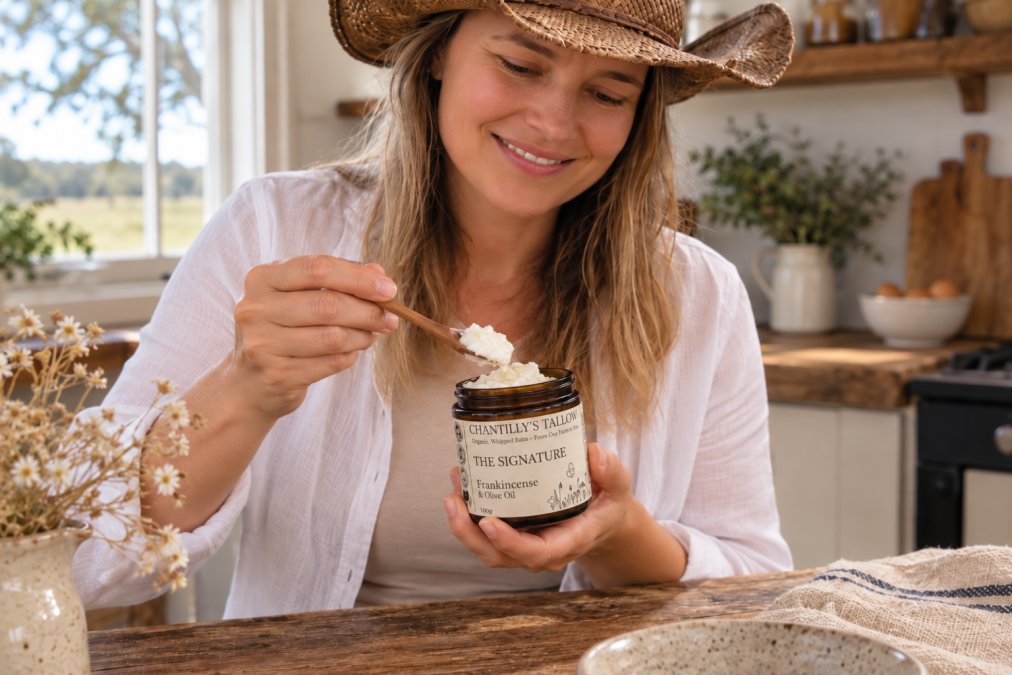
Tallow was the original skincare staple, used for centuries before industrial creams filled pharmacy shelves. Small batch tallow revives that tradition with a level of care that mass production simply cannot match. At Chantilly's Tallow, we craft every jar on our Gippsland farm, controlling each step from pasture to pot.
The distinction comes down to processing. Large-scale operations prioritise volume and speed, often sacrificing the very qualities that make tallow beneficial. Small batch production preserves the integrity of the fat through careful temperature control and minimal handling. This means the end product retains more of its natural nutrient content, delivering a balm that feels different from the moment it touches your skin.
Grass-Fed Sourcing vs. Feedlot Fat: Why Origin Matters
The source of your tallow determines its entire profile. Grass-fed cattle raised on open pasture produce fat with a markedly different composition than grain-fed feedlot animals. The difference is visible in the colour, texture, and how the balm performs on your skin.
Feedlot fat tends to be higher in omega-6 fatty acids, which can promote inflammation when applied to compromised skin. Grass-fed tallow, by contrast, offers a more balanced ratio of fatty acids that supports the skin's natural repair processes. Research on pasture-raised livestock consistently shows that diet directly influences the fatty acid composition of ruminant fat, with grass-fed sources delivering superior nutritional value.
Most importantly, grass-fed tallow contains higher levels of conjugated linoleic acid and beta-carotene, both of which contribute to skin health. These compounds survive the rendering process only when the starting material is genuinely pasture-raised, not merely labelled as such.
What Is the Fatty Acid Profile of Grass Fed Tallow?
Grass-fed tallow is composed primarily of saturated and monounsaturated fats, with a profile that closely mirrors human skin's own sebum. This similarity is why it absorbs so readily without leaving a greasy residue.
The main components are oleic acid, palmitic acid, and stearic acid, alongside smaller amounts of linoleic acid. Oleic acid, the same compound found in olive oil, acts as a powerful emollient that softens and smooths the skin surface. Stearic acid provides structure and helps the balm create a protective layer without clogging pores.
Beyond the Basics: The Micronutrient Story
Where small batch tallow truly distinguishes itself is in the micronutrients that survive gentle processing. Grass-fed tallow is a natural source of fat-soluble vitamins A, D, E, and K, each playing a distinct role in skin health. Vitamin A supports cellular turnover and helps maintain a smooth texture. Vitamin D is involved in the skin's innate immune response and barrier repair. Vitamin E acts as a primary antioxidant, neutralising free radicals that accelerate visible ageing. Vitamin K assists with circulation and can help reduce the appearance of dark spots.
Conjugated linoleic acid (CLA) deserves particular attention. CLA is a naturally occurring fatty acid found almost exclusively in ruminant fat from pasture-raised animals. Research indicates that CLA possesses anti-inflammatory properties, which may explain why many people with reactive skin conditions report improvement when switching to grass-fed tallow balms. Feedlot-raised animals produce significantly lower levels of CLA because their grain-based diet alters their digestive biochemistry.
The Beta-Carotene Connection
Grass-fed tallow also contains beta-carotene, the pigment responsible for its subtle golden hue. Beta-carotene is a precursor to vitamin A and provides additional antioxidant support. When cattle graze on fresh pasture, beta-carotene accumulates in their fat stores. Grain-fed animals lack this compound, which is why their fat appears whiter and offers fewer skin-supporting nutrients.
Why Processing Temperature Changes Everything
The presence of these nutrients depends entirely on how the tallow is rendered. Vitamins A, D, E, and K begin degrading at temperatures above 100°C. Industrial rendering often operates at 120-130°C to maximise yield and speed. Small batch producers who render at lower temperatures preserve these delicate compounds. Low-temperature rendered tallow retains significantly higher concentrations of vitamin E and CLA compared to conventionally processed equivalents.
How Fatty Acids Support the Skin Barrier
These fatty acids work together to fill gaps in the skin barrier where moisture escapes. When applied topically, they mimic the lipids naturally present between skin cells, helping to restore a healthy barrier function. This is why many people with reactive skin find tallow gentler than plant-based alternatives that lack this structural similarity.
Tallow is also naturally rich in fat-soluble vitamins that support cellular regeneration. Vitamin A encourages healthy cell turnover, while vitamin E provides antioxidant protection against environmental damage.
Small Batch Tallow and the Skin Barrier: More Than Moisture
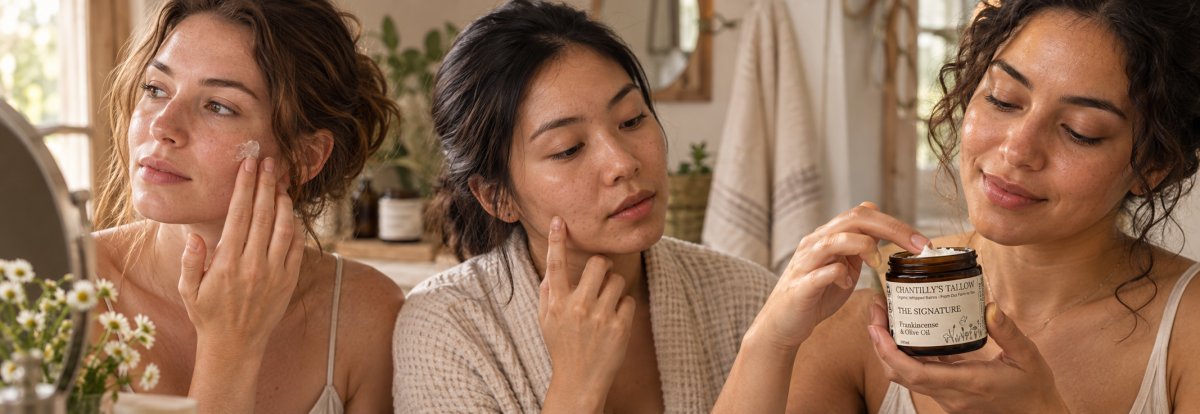
Most moisturisers simply deposit water on the skin's surface, providing temporary relief that disappears within hours. Small batch tallow works differently. Its occlusive nature creates a breathable shield that prevents trans-epidermal water loss, the process by which moisture escapes through the skin.
This distinction matters for anyone managing chronic dryness or irritation. A product that only hydrates the surface fails to address the underlying barrier dysfunction. Tallow's fatty acids integrate with the skin's own structure, supporting repair from within rather than merely coating the outside.
The skin microbiome also benefits. Tallow contains no synthetic preservatives, fragrances, or emulsifiers that can disrupt the delicate bacterial balance on your skin. For those with sensitivities, this minimal ingredient list reduces the risk of reactions while still delivering substantial nourishment. Quality control in small batches means every jar is checked for freshness and consistency, something impossible at industrial scale.
Tallow Balm Shelf Life and Storage: What to Expect
A well-made tallow balm is naturally shelf-stable thanks to its high saturated fat content, which resists oxidation far better than liquid plant oils. You can expect an unopened jar to remain fresh for up to two years when stored correctly.
Once opened, the balm should be kept in a cool, dry place away from direct sunlight. A bathroom cabinet is fine as long as it doesn't get steamy; a bedroom drawer is ideal. Under these conditions, an opened jar typically lasts twelve to eighteen months without losing quality.
Signs that your balm has passed its prime include a rancid or "off" smell, yellowing colour, or a change in texture. Properly stored tallow retains a clean, neutral scent and creamy consistency throughout its shelf life.
What to Look for When Buying Artisanal Tallow
Not all tallow products are created equal. When evaluating options, start with the source. The maker should be transparent about where their cattle are raised and what they eat. Direct-from-farm operations offer the clearest supply chain, eliminating the middlemen who can obscure quality.
Consider the ingredient list. Pure tallow balm should contain minimal additions. When complementary oils are included, quality makers often blend olive oil alongside jojoba and macadamia for their distinct benefits. Be wary of products with synthetic fragrance, which can irritate sensitive skin and mask the natural scent of lower-quality ingredients.
Ask about testing. While cosmetic tallow doesn't require the same certification as food-grade products, reputable makers conduct their own quality checks. Traceability matters: a maker who can tell you exactly which animal your balm came from demonstrates a level of care that industrial producers cannot offer. For regulatory context, cosmetic products in Australia fall under the Therapeutic Goods Administration's cosmetics guidelines, which set expectations for ingredient safety and labelling.
The Verdict: Is Small Batch Tallow Worth It?
For anyone wrestling with persistent dryness, sensitivity, or simply seeking a more honest skincare routine, the combination of grass-fed sourcing, careful rendering, and minimal processing delivers a product that performs differently because it is different.
Mass-produced moisturisers rely on complex chemical cocktails to mimic what naturally occurring fats do effortlessly. Small batch tallow skips the guesswork by providing skin with compounds it recognises and readily absorbs. This is skincare stripped back to what actually matters.
The Environmental Calculus Most Articles Ignore
The environmental picture strengthens the case, but the comparison is more nuanced than simple marketing suggests. Small batch production from pasture-raised cattle supports regenerative farming practices that build soil health rather than depleting it. When you choose a product made on a farm you can trace, you are voting for a more sustainable model of agriculture. As documented in research on regenerative grazing systems, properly managed pasture can sequester carbon and improve biodiversity.
Consider the full lifecycle. Industrial skincare manufacturing typically involves large-scale facilities consuming substantial energy for heating, mixing, and packaging. Ingredients are often sourced globally, shipped long distances, and processed multiple times before reaching the final product. A single commercial moisturiser may contain twenty to thirty ingredients, each with its own supply chain and carbon footprint.
Small batch tallow inverts this model. The primary ingredient comes from one farm, processed once, and packaged locally. The supply chain is short by design. While the per-unit energy cost of small batch production may be higher than industrial economies of scale, the total system, fewer ingredients, less transport, minimal processing, can result in a lighter overall footprint.
Waste Utilisation: A Circular Approach
Tallow production also addresses food waste. Grass-fed cattle are raised primarily for meat; tallow is a by-product that would otherwise go to waste. Using this fat for skincare creates value from a resource that might be discarded, embodying a nose-to-tail philosophy. This contrasts with plant-based alternatives that require dedicated agricultural land for oil production.
Packaging and Preservation Trade-Offs
The environmental story has trade-offs worth acknowledging. Small batch tallow balms typically come in glass jars, which are heavier to transport than plastic tubes but infinitely recyclable. The absence of synthetic preservatives means shorter shelf life than conventional products, potentially leading to more frequent repurchasing. However, the concentrated nature of tallow means a small amount goes a long way, our 100ml jar lasting our customers 8-12 weeks, plays a role in offsetting some of this impact.
The Honest Bottom Line
Is small batch tallow worth it? For your skin, the fatty acid profile, vitamin content, and barrier-supporting properties offer genuine benefits that mass-produced alternatives struggle to replicate. For the environment, the picture is more complex but generally favourable when sourced from regenerative operations. For transparency and peace of mind, knowing exactly where your skincare comes from carries value that no ingredient label can fully convey.
If you are tired of cycling through products that promise much and deliver little, small batch tallow offers a different path. It is not a quick fix but a return to fundamentals: pure fat from well-raised animals, processed with patience and skill.
Frequently Asked Questions
Why is grass-fed tallow considered superior for skincare?
Grass-fed tallow comes from cattle that grazed on pasture, which changes the fat's nutrient profile. It contains higher levels of conjugated linoleic acid (CLA), vitamins A, D, E, and K, and a better ratio of omega-3 to omega-6 fatty acids compared to grain-fed cattle. These nutrients are what help support skin repair and maintain a healthy skin barrier. The sourcing matters because the quality of the fat is directly tied to what the animal ate.
How does the rendering process affect the quality of tallow balm?
The rendering process is crucial. Dry-rendering at low temperatures (below 100°C) preserves the delicate fatty acids and vitamins that benefit skin. Wet-rendering, which involves boiling fat in water, often uses higher heat and can degrade these nutrients. Small batch producers typically use the gentler dry-rendering method, which results in a balm with a smoother texture and a more nutrient-dense profile, making it more effective for skin health.
Does small batch tallow have a longer shelf life than commercial moisturisers?
Small batch tallow balm is naturally shelf-stable at room temperature for 12 to 18 months when stored correctly. Its high saturated fat content makes it resistant to oxidation, so it doesn't need synthetic preservatives. To maximise its life, store it away from direct sunlight and heat, and avoid introducing water into the jar. Commercial moisturisers often contain water and require preservatives, but they can still expire at a similar rate once opened.
How do I know if beef tallow is good quality?
Good quality tallow balm is firm at room temperature but melts quickly on contact with skin. It should have a clean, neutral scent or a very mild, earthy aroma, never a strong meaty or rancid smell. The texture should be smooth and creamy without grittiness. The most reliable indicator is traceability: a producer who can tell you the source of the fat, confirm it is grass-fed, and explain their low-temperature rendering process is more likely to offer a high-quality product.