 ultimate-guide
Tallow for Skin Barrier Repair: A 2026 Guide
Table of Contents
- What Is Tallow and Why Does It Matter for Skin?
- How Tallow Interacts With the Skin Barrier
- Tallow vs. Plant-Based Oils for Barrier Repair
- Natural Ingredients for Skin Barrier Repair: What to Look For
- How to Use Tallow Balm for Eczema and Sensitive Skin
- Tallow Skincare Shelf Life and Storage
- Sourcing and Processing: What to Look For
- Conclusion: Is Tallow the Right Choice for Your Skin?
- Frequently Asked Questions
Last Updated: September 5, 2026
What Is Tallow and Why Does It Matter for Skin?
Tallow for skin barrier repair has moved from folk remedy to a genuine point of discussion in natural skincare, and the reason is straightforward: rendered beef fat is chemically closer to human sebum than most plant oils. Sebum is the skin's own lipid mixture, and tallow contains a similar profile of fatty acids, including oleic acid, palmitic acid, and stearic acid. When the stratum corneum, the outermost layer of the epidermis, is compromised, it loses moisture rapidly. This is where lipid replenishment becomes essential.
At Chantilly's Tallow, we craft small-batch balms from 100% grass-fed, organically-raised beef tallow sourced from our own Gippsland farm. A product designed to mimic the skin's natural oils can support barrier repair without the long ingredient lists found in conventional moisturisers. The core idea is simple: give the skin the building blocks it already recognises.
How Tallow Interacts With the Skin Barrier
The skin barrier is a brick-and-mortar structure of corneocytes held together by a lipid matrix composed primarily of ceramides, cholesterol, and free fatty acids. When those lipids are depleted, trans epidermal water loss increases, leaving skin feeling tight, flaky, and sensitive. Tallow interacts with this barrier by delivering a mixture of free fatty acids that the skin can theoretically incorporate into this matrix, supporting barrier repair from the outside in.
Its occlusive properties also slow water loss, giving the skin time to recover. Research published in the Journal of Lipid Research on epidermal permeability barrier function confirms that a deficiency in essential fatty acids directly impairs barrier recovery, which explains why replenishing those lipids matters.
However, a critical distinction exists between what happens in a laboratory and what happens on human skin. The stratum corneum is not simply a sponge that absorbs whatever lipid is applied. For a fatty acid to be incorporated into the barrier, it must penetrate the intercellular spaces and be processed by the keratinocytes. This is where the scientific evidence becomes more nuanced than most marketing claims suggest.
What the evidence supports:
- Tallow's high oleic acid content (approximately 36-42%) provides rapid occlusion, reducing trans epidermal water loss within hours of application.
- Palmitic acid (25-30%) and stearic acid (14-18%) are saturated fatty acids that contribute structural rigidity to the lipid lamellae, potentially supporting barrier integrity over weeks of consistent use.
- The presence of fat-soluble vitamins A, D, E, and K in grass-fed tallow offers antioxidant protection against oxidative stress, which is elevated in compromised barriers.
What the evidence does not yet confirm:
- Whether exogenous fatty acids from tallow are actually incorporated into the stratum corneum's lipid bilayers, or whether they simply sit on the surface providing occlusion. Most dermatological research on lipid barrier repair focuses on specific ceramide ratios, not on whole-animal fats.
- Whether the fatty acid ratio in tallow is optimal for all skin types. While it mimics sebum, sebum is not the same as the stratum corneum lipid matrix. Sebum is produced by sebaceous glands and is fluid at skin temperature; barrier lipids are structured and semi-crystalline.
A common pattern in clinical practice is that occlusion alone, regardless of the source, improves barrier function by preventing water loss. This means tallow may work partly through a physical mechanism (keeping moisture in) rather than a biological one (providing building blocks). Both mechanisms are valid, but understanding the difference helps set realistic expectations.
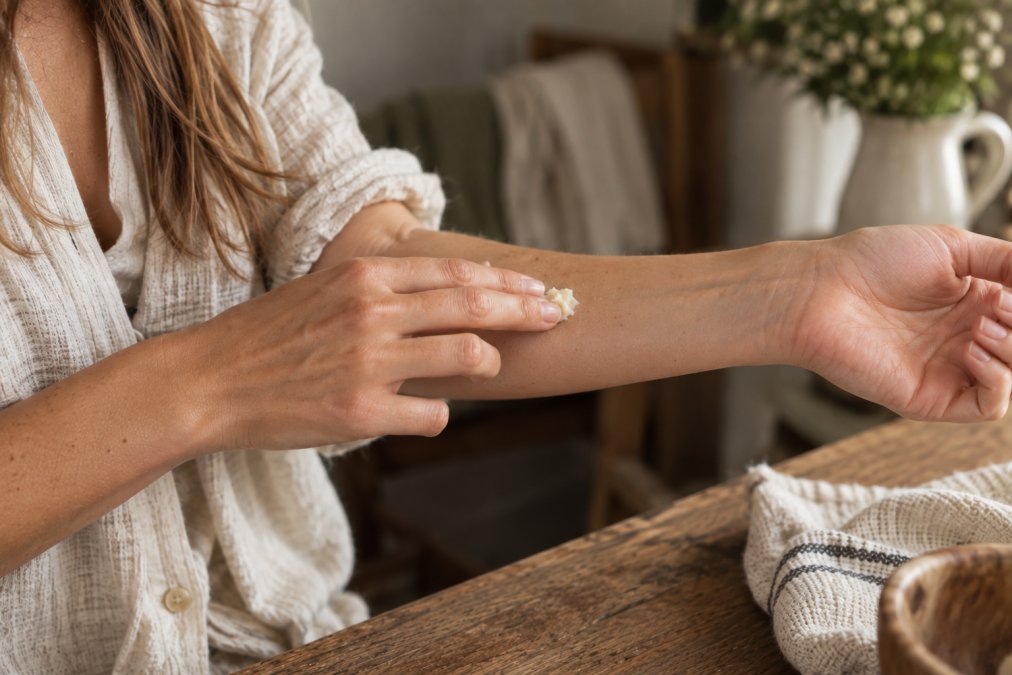
For those with a compromised barrier, the practical question is not whether tallow is 'natural' but whether it provides the lipid balance your skin needs. If your barrier is depleted, occlusion alone can produce visible improvement within days. If the goal is long-term structural repair, consistency over several weeks matters more than the specific fat source.
Tallow vs. Plant-Based Oils for Barrier Repair
Most plant oils are high in linoleic acid, an omega-6 fatty acid that supports the skin barrier. So why consider tallow over a bottle of jojoba or rosehip oil? The difference comes down to fatty acid ratios, comedogenicity, and how closely each matches human skin.
Human sebum is roughly equal parts saturated and unsaturated fats. Many plant oils are almost entirely unsaturated, which means they absorb quickly but provide less structural support. Tallow, by contrast, offers a balance closer to what the skin naturally produces. This biocompatibility is the reason tallow is often described as more nourishing for dry, compromised skin.
Comedogenicity ratings: what the numbers actually say
One of the most overlooked factors in the tallow debate is comedogenicity, the potential of an ingredient to clog pores. The standard scale runs from 0 (non-comedogenic) to 5 (highly comedogenic), based on rabbit ear assays developed in the 1970s. These ratings are imperfect predictors for human skin, but they offer a useful starting point.
Oil Type | Primary Fatty Acid | Comedogenic Rating | Barrier Support | Best For |
|---|---|---|---|---|
Tallow | Oleic, palmitic, stearic | 1-2 (varies by source) | High, mimics sebum | Dry, sensitive, eczema-prone skin |
Jojoba | Gadoleic (wax ester) | 2 | Moderate | Balancing normal skin |
Rosehip | Linoleic, alpha-linolenic | 1 | Moderate | Ageing, scar-prone skin |
Coconut | Lauric | 4 | Low, occlusive | Very dry body skin |
Olive | Oleic | 2 | Moderate | Dry, mature skin |
Tallow sits in the middle of this scale. Its high oleic acid content is the reason. Oleic acid is a monounsaturated fatty acid that penetrates deeply but can disrupt the skin barrier at high concentrations and is associated with higher comedogenicity than linoleic acid. This is why some people with acne-prone skin find tallow problematic, even though it works well for dry, flaky skin.
The linoleic acid paradox
Linoleic acid, abundant in rosehip and grapeseed oils, is considered more barrier-friendly for acne-prone skin because it is less likely to clog pores. However, linoleic acid is also more prone to oxidation, which means plant oils high in it can go rancid faster once applied to the skin, potentially generating free radicals.
Tallow's saturated fatty acids are more stable and less prone to oxidation, which is one reason it has a longer shelf life than most plant oils. This stability is an advantage for barrier repair because oxidised oils can actually worsen inflammation.
Practical guidance by skin type
- Dry, flaky, or eczema-prone skin: Tallow is often the better choice. Its saturated fatty acids provide structural support and its occlusive nature reduces water loss effectively.
- Acne-prone or oily skin: Proceed with caution. The oleic acid content may contribute to congestion in some individuals. A patch test on the jawline for two weeks is the most reliable way to assess your personal response. If you see new breakouts, switch to a linoleic-acid-dominant oil like rosehip.
- Normal or combination skin: Either can work. Consider the season, tallow in winter when skin needs more occlusion, plant oils in summer when skin is less stressed.
For those with a compromised barrier, the structural lipids in tallow are often more effective than lighter oils that simply sit on the surface. But for those prone to congestion, a blend that combines tallow with linoleic-acid-rich oils may offer the best of both worlds, structural support without the pore-clogging risk.
Natural Ingredients for Skin Barrier Repair: What to Look For
Choosing a balm for barrier repair means reading the ingredient list with a critical eye. Ceramides, cholesterol, and free fatty acids are the three key lipids of the skin barrier, and the most effective products supply these in balance. Tallow naturally provides fatty acids and cholesterol, making it a strong base.
When shopping for a store-bought balm, look for complementary ingredients that enhance absorption and soothe inflammation. Olive oil, alongside jojoba and macadamia, is a valuable addition because it is rich in squalene and vitamin E, which support moisture retention and protect against oxidative stress. Avoid products with added fragrance, essential oils, or alcohol, all of which can further irritate a damaged barrier.
A common mistake is assuming a single ingredient will fix everything. Barrier repair requires consistency. Applying a lipid-rich balm twice daily for several weeks is more effective than sporadic use of a heavier product.
How to Use Tallow Balm for Eczema and Sensitive Skin
For eczema and sensitive skin, how you apply tallow balm matters as much as the product itself. Start with a patch test on the inner forearm for 48 hours to rule out a reaction, even though tallow is generally well tolerated.
- Apply to slightly damp skin. After bathing, pat dry and massage a pea-sized amount onto the affected area while skin is still warm.
- Use gentle pressure. Do not rub vigorously; let the balm melt and absorb naturally.
- Layer, don't overload. For very dry patches, apply a thin layer, wait five minutes, then add a second layer rather than one thick coat.
- Time it around bathing. The best time to lock in moisture is within three minutes of stepping out of the shower.
- Be patient. Visible changes to skin texture often take two to four weeks of consistent use.
Tallow Skincare Shelf Life and Storage
Proper storage is essential because tallow is a natural product without synthetic preservatives. Stored correctly, a balm made from pure tallow will last 12 to 18 months from the date of production. Keep it in a cool, dark place away from direct sunlight and heat sources. A bathroom cabinet is often too warm and humid; a bedroom drawer or pantry shelf is a better choice.
Heat causes tallow to soften and can accelerate oxidation, which leads to rancidity. If your balm develops an off smell or a change in colour, discard it. To extend freshness, use a clean, dry spoon or spatula each time rather than dipping fingers into the jar, which introduces bacteria and moisture.
Sourcing and Processing: What to Look For
Not all tallow is created equal. The fat from conventionally raised cattle that have been fed grain contains a different fatty acid profile than that from grass-fed animals. Grass-fed tallow has a higher concentration of conjugated linoleic acid and a better ratio of omega-3 to omega-6 fatty acids, both of which support skin health.
Processing matters just as much. Traditional rendering uses low, slow heat to separate the fat from connective tissue without damaging its nutrients. Industrial processing often involves high heat and chemical deodorisers that strip away beneficial compounds. Look for tallow that is described as 100% grass-fed, organically raised, and low-temperature rendered.
Conclusion: Is Tallow the Right Choice for Your Skin?
Tallow for skin barrier repair is not a miracle cure, but the science of lipid replenishment supports its use for dry, sensitive, and eczema-prone skin. Its fatty acid profile closely mirrors human sebum, offering a level of biocompatibility that many plant oils cannot match. The key is choosing a product made from 100% grass-fed, organically-raised cattle, rendered gently to preserve its nutrients.
For those who have tried conventional moisturisers without lasting relief, a small-batch tallow balm offers a different approach: fewer ingredients, closer to what the skin naturally produces. At Chantilly's Tallow, we craft our balms on our own Gippsland farm, from cattle we raise ourselves, so you know exactly where your skincare comes from. Our bio-compatible formulas are safe for all ages, from newborns to adults. Find Your Balm and see whether nature's own lipid barrier support works for your skin.
Frequently Asked Questions
Is beef tallow good for skin barrier repair?
Yes. Beef tallow contains a fatty acid profile similar to human sebum, including oleic, palmitic, stearic, and linoleic acids. These lipids replenish the skin barrier, reducing transepidermal water loss and improving moisture retention. The vitamin A, D, E, and K in grass-fed tallow also support skin health. While clinical evidence is limited, the lipid composition makes it a strong emollient for barrier repair.
Why don't dermatologists like tallow?
Some dermatologists hesitate to recommend tallow because it is a rendered animal fat with limited clinical trials, unlike petrolatum or ceramide-based products. Concerns include variable quality, potential impurities if poorly rendered, and comedogenicity. However, many acknowledge that high-quality tallow from grass-fed cattle is non-comedogenic and biocompatible. Always patch-test first, especially if you have reactive skin.
What is the best way to store tallow skincare to extend its shelf life?
Tallow balm lasts 12 to 18 months when stored correctly. Keep it in a cool, dry place away from direct sunlight and heat. A temperature below 25°C is ideal. Avoid introducing water or moisture into the jar, as this can cause spoilage. If the balm develops an off smell or changes colour, discard it. Refrigeration can extend freshness but will make the balm firmer.
Can tallow balm help with eczema flare-ups?
Many people with eczema find tallow balm soothing because it provides occlusive properties that lock in moisture and support barrier repair. Its fatty acids help calm inflammation and reduce dryness. Apply a thin layer to damp skin after bathing to seal in hydration. For best results, use consistently rather than only during flare-ups.
Is tallow safe for sensitive or acne-prone skin?
Tallow is generally well-tolerated because its composition mimics human sebum, but results vary. Grass-fed tallow is rated non-comedogenic, meaning it is unlikely to clog pores. However, if you have a history of breakouts, patch-test on a small area first. Start with a small amount and monitor your skin's response before applying it to larger areas.