 ultimate-guide
How to Identify Authentic Grass-Fed Tallow
Table of Contents
- Why Identifying Authentic Grass-Fed Tallow Matters
- Suet vs Trim Fat Tallow: Why the Source Fat Changes Everything
- Colour, Scent, and Texture: Reading the Signs of Quality Grass-Fed Tallow
- Label Transparency, Certifications, and Marketing Myths
- Benefits of 100% Grass-Fed Tallow for Skin
- How to Store Tallow Balm for Maximum Shelf Life
- A Step-by-Step Verification Framework for Buyers
- Frequently Asked Questions
Last Updated: August 29, 2026
Why Identifying Authentic Grass-Fed Tallow Matters
Knowing how to identify authentic grass-fed tallow is essential for conscious skincare buyers. The market is flooded with products using "grass-fed" loosely, and the difference between genuinely pasture-raised tallow and commodity fat dressed up with green marketing is significant for your skin.
Grass-fed tallow is rendered beef fat from cattle raised on pasture, where their diet consists primarily of grass rather than grain. The lipid profile, colour, scent, and nutrient density are all shaped by what the animal ate and how it was raised. Authentic sourcing yields fat rich in conjugated linoleic acid, omega-3 fatty acids, and fat-soluble vitamins. Consumers seeking relief from eczema, psoriasis, or dermatitis, or those looking for genuine anti-ageing solutions, deserve purchasing decisions based on substantiated claims.
Suet vs Trim Fat Tallow: Why the Source Fat Changes Everything
Most people assume all beef tallow is the same. It is not.
Suet is the dense, hard fat surrounding the kidneys and loins. Trim fat is the softer fat trimmed from the exterior of the carcass and muscular areas. Both can be rendered, but they produce very different end products.
Suet tallow is firmer, purer, and more stable. Because it sits deep within the body cavity and is protected from oxidation, it has a cleaner fatty acid profile and naturally longer shelf life. Trim fat contains more connective tissue, is more prone to oxidative degradation, and often produces a tallow with a stronger, less pleasant odour.
For skincare, suet tallow is superior. Its fatty acid composition mirrors human skin's lipid structure more closely, which is why it absorbs readily without sitting as a greasy film. At Chantilly's Tallow, we use only suet from our own cattle. This is a deliberate choice, not a marketing convenience.
What Makes Suet the Superior Choice for Skincare
Suet tallow is superior because of its purity and bioavailability. The fat surrounding the kidneys is metabolically active and nutrient-dense, carrying higher concentrations of fat-soluble vitamins A, D, E, and K, as well as CLA and omega-3 fatty acids. Trim fat tallow is lower-grade starting material. Many producers use it because suet is harder to source in quantity. If a product simply says "beef tallow" without specifying suet, it is worth asking which fat was used.
How to Ask the Right Questions About Fat Source
A producer committed to quality will answer these questions without hesitation:
- Is your tallow made from suet, trim fat, or a blend?
- Do the cattle come from your own farm or a third-party supplier?
- Are the cattle 100% grass-fed and finished, or grain-finished in their final months?
- Can you provide documentation of farming practices?
If a supplier deflects or offers vague answers, that tells you something important about their product.
Colour, Scent, and Texture: Reading the Signs of Quality Grass-Fed Tallow
The physical characteristics of tallow are one of the most reliable indicators of its origin and quality. Authentic grass-fed suet tallow has a distinct texture and aroma that trim fat does not replicate.
What Pale Yellow Tells You About Pasture Nutrition
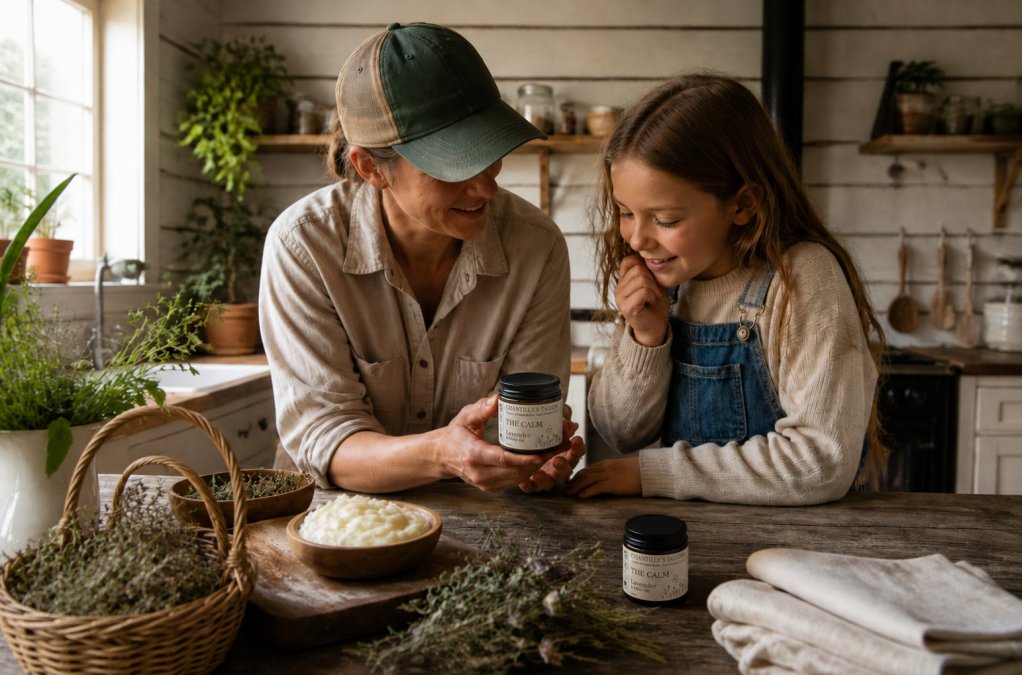
Authentic grass-fed tallow is pale yellow to cream in colour. The yellow hue comes from beta-carotene, the same compound that makes grass green. Cattle that graze on pasture accumulate beta-carotene in their fat tissue, which converts to vitamin A in the body.
Grain-fed or grain-finished tallow is typically bright white. If a product marketed as "grass-fed" is stark white, that is a meaningful red flag. The shade of yellow varies with season and pasture quality, and this natural variation is itself a sign of authenticity. Different rendering methods, oils used and even the breed of the cattle lend themselves to a different finished colour. Best to check if the source and type of fat is transparent in the ingredient list.
Texture and Aroma as Authenticity Indicators
Quality suet tallow has a firm, waxy texture at room temperature that softens readily on contact with skin. Whipped tallow balm has a light, airy consistency that spreads without drag.
The aroma of authentic grass-fed tallow is mild and faintly savoury. It should not be rancid, acrid, or chemical. A strong or offensive odour suggests oxidised fat, poor rendering practices, or low-quality starting material. Low-heat processing is critical to retaining nutritional integrity.
Label Transparency, Certifications, and Marketing Myths
This is where the most confusion and misleading marketing operate.
'Grass-Fed' Does Not Always Mean 100% Grass-Fed
The term "grass-fed" has no standardised legal definition in Australia that mandates 100% grass feeding for the animal's entire life. Under guidelines from Australian Competition and Consumer Commission guidance on food labelling, claims must not be misleading, but a producer can technically call cattle "grass-fed" even if they were grain-finished in the final weeks or months before slaughter.
Grain finishing shifts the fatty acid profile toward omega-6 fats and reduces CLA and omega-3 content. Look for language like "100% grass-fed and grass-finished" or "pasture-raised for life." Even better, look for producers who can tell you exactly where their cattle were raised and what they ate.
Supply Chain Verification: From Farm to Jar
The most reliable tallow products come from producers with direct farm-to-consumer traceability. Farm-direct producers know their animals and can tell you the breed, pasture management practices, rendering method, and batch date.
Ask whether the producer can provide a certificate of analysis or fatty acid profile from laboratory testing. A fatty acid breakdown shows the ratio of saturated fat, monounsaturated fat, omega-3 to omega-6 ratio, and CLA content. This is the most objective measure of tallow quality available.
Benefits of 100% Grass-Fed Tallow for Skin
The case for authentic grass-fed tallow in skincare rests on the specific compounds present in properly sourced, properly rendered suet tallow.
Fatty Acid Profile, CLA, and Bioavailability
Authentic grass-fed tallow contains a fatty acid profile that closely mirrors the lipid composition of human skin. The primary fats, palmitic, stearic, and oleic acids, are the same fatty acids found in the skin's own sebum. This structural similarity is why tallow is bio-compatible: it integrates rather than sitting on the surface as a barrier.
CLA, or conjugated linoleic acid, is present in meaningful quantities in grass-fed tallow and largely absent from grain-fed alternatives. CLA has been studied for its role in skin cell membrane integrity and anti-inflammatory properties, as documented in research indexed by PubMed database of biomedical literature. Omega-3 fatty acids, also elevated in grass-fed fat, support the skin's barrier function and help modulate inflammatory responses.
Oxidative Stability and Why It Matters for Skin Products
Saturated fat is more oxidatively stable than polyunsaturated fat. Tallow is predominantly saturated, which gives it excellent oxidative stability compared to plant-based oils high in polyunsaturated fats. For a skincare product, a stable fat is less likely to contribute to oxidative stress on skin cells and has a longer natural shelf life without synthetic preservatives.
How to Store Tallow Balm for Maximum Shelf Life
Tallow balm is a stable product, but it does have storage requirements that protect its nutrient density and extend its usable life.
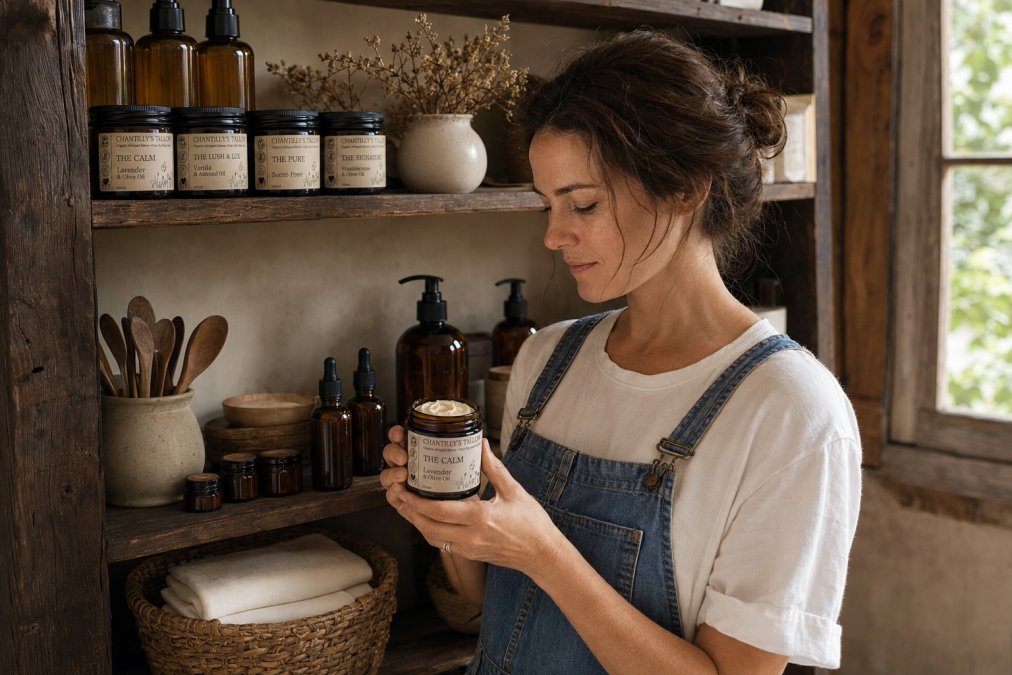
Step-by-step visual guide for glass and sealed and amber concepts for grass-fed tallow
Properly stored, a pure suet tallow balm will remain stable for 12 to 24 months. Products that include complementary ingredients such as olive oil, jojoba oil, or macadamia oil may have a slightly shorter window depending on the stability of those additions.
Storage Conditions That Protect Nutrient Density
The three enemies of tallow balm are heat, light, and air. Each accelerates oxidation and degrades the fatty acid profile.
- Temperature: Store tallow balm below 30°C. A cool pantry or bathroom cabinet away from heat sources is ideal. Refrigeration is not necessary but will extend shelf life in warmer climates or during summer months.
- Light: Amber glass jars offer meaningful protection from UV degradation. Keep the product away from direct sunlight and bright artificial light.
- Air exposure: Always replace the lid firmly after use. Minimise the time the jar sits open. Using a clean spatula rather than fingers reduces bacterial contamination.
A product stored correctly in a cool, dark location will typically remain fresh and effective for 12 to 18 months from the rendering date. Refrigerated storage can extend this to 24 months.
Signs That Tallow Has Degraded
Rancid tallow has a distinctive smell that shifts from the mild, clean, faintly savoury aroma of fresh tallow to something sharp, acrid, or paint-like. Other signs of degradation include a change in colour toward grey or brown, a watery or separated texture, or a sour or chemical odour.
If any of these signs are present, do not use the product on skin.
A Step-by-Step Verification Framework for Buyers
Identifying authentic grass-fed tallow does not require a laboratory. A structured approach covers most of the meaningful ground before you commit to a purchase.
Verification Step | What to Check | Red Flag |
|---|---|---|
Fat source | Suet vs. trim fat | "Beef tallow" with no further detail |
Feeding claim | 100% grass-fed and finished | "Grass-fed" without "finished" |
Farm traceability | Own farm or named supplier | Third-party commodity fat |
Colour | Pale yellow to cream | Stark white or grey tint |
Aroma | Mild, clean, faintly savoury | Rancid, acrid, or chemical smell |
Texture | Firm, absorbs readily | Greasy, heavy, or separated |
Label transparency | Ingredient list, batch details | Vague or missing sourcing info |
Testing availability | Fatty acid profile on request | Deflection or no documentation |
Step 1: Read the ingredient list carefully. Authentic tallow balm will list "beef tallow" or "suet tallow" as the primary ingredient.
Step 2: Contact the producer directly. Ask specifically whether they use suet or trim fat, and whether their cattle are 100% grass-fed and grass-finished.
Step 3: Assess the colour and factor in the added oils and rendering type: Pale yellow indicates beta-carotene from pasture feeding. White or grey indicates grain-finishing or processing.
Step 4: Smell before you buy, if possible. The aroma tells you a great deal about rendering quality and fat freshness.
Step 5: Ask about rendering method. Low-heat, slow rendering preserves the fatty acid profile and fat-soluble vitamins.
Step 6: Request a fatty acid profile. A producer who commissions laboratory testing can provide documentation showing CLA content, omega-3 to omega-6 ratio, and saturated fat breakdown. According to guidance from Food Standards Australia New Zealand, producers making specific nutritional claims should be able to substantiate them with testing data.
Step 7: Evaluate the storage packaging. Amber glass protects against UV degradation. Clear plastic suggests the producer has not prioritised oxidative stability.
Step 8: Check for batch dating. Small-batch producers include a rendering or production date. This tells you how fresh the tallow is and lets you calculate expected shelf life.
Choosing tallow that genuinely delivers on its nutritional promise means going beyond the label. The sourcing, the fat type, the rendering method, and the storage all shape what ends up on your skin. At Chantilly's Tallow, our balms are made from suet sourced exclusively from our own organically managed pastures, using low-heat rendering to preserve every meaningful compound in the fat.
Frequently Asked Questions
How can you tell if beef tallow is good quality?
Good-quality grass-fed tallow rendered from suet should appear pale to creamy yellow, firm at room temperature, and carry a mild, clean savory aroma. A stark white colour often signals grain-finished cattle or heavily processed fat. Overly greasy texture or a rancid smell indicates poor rendering or degraded lipids. The fat source matters too: suet from around the kidneys produces a denser, more nutrient-rich tallow than trim fat from other parts of the carcass.
Does 'grass-fed' always mean 100% grass-fed?
No. Under Australian labelling conventions, 'grass-fed' does not automatically guarantee an animal was raised exclusively on pasture its entire life. Many cattle are grass-fed for most of their lives but finished on grain before slaughter, which alters the fatty acid profile and reduces CLA and omega-3 content. To be certain, look for producers who explicitly state '100% grass-fed and grass-finished' and who can trace the animal back to a single, verifiably managed property.
What is the difference between suet tallow and trim fat tallow?
Suet is the dense, hard fat found around the kidneys and loins of the animal. It has a higher concentration of saturated fat, a firmer structure, and a richer nutrient density than trim fat, which is the softer fat trimmed from muscles and connective tissue. For skincare, suet-based tallow is superior because its fatty acid profile more closely mirrors human sebum, improving bioavailability and skin compatibility. Trim fat tallow is softer, oilier, and generally less stable.
Does grass-fed beef tallow need to be refrigerated?
Authentic grass-fed tallow has good oxidative stability due to its high saturated fat content, meaning it does not require refrigeration for short-term use. Stored in a sealed container away from direct sunlight, heat, and moisture, a quality tallow balm can remain stable for 12 to 18 months at room temperature. For longer storage or warmer climates, refrigeration extends shelf life without harming texture. Always check the producer's specific guidance, as added ingredients like olive oil or jojoba may affect longevity.
Why are some dermatologists cautious about tallow for skin?
Most dermatologists were trained during an era when petroleum-derived moisturisers dominated clinical practice, so tallow rarely featured in their education. Caution also stems from concerns about pore-clogging, though tallow's fatty acid profile closely resembles human sebum, making it bio-compatible for most skin types. It is worth discussing any new topical product with your dermatologist, particularly if you have a diagnosed skin condition. The absence of mainstream endorsement reflects unfamiliarity more than evidence of harm.
What are the signs of low-quality or processed tallow?
Low-quality tallow is typically stark white, odourless, or carries a chemical smell from deodorising processes. It may feel greasy rather than absorbing smoothly, and it often comes from grain-finished cattle or trim fat rather than suet. High-heat rendering destroys heat-sensitive nutrients and produces a harsher product. Lack of traceability, vague labelling, and no information about fat source or rendering method are all warning signs that the tallow has been processed for shelf appeal rather than nutritional integrity.
How should authentic tallow balm be stored for maximum shelf life?
Keep tallow balm in a sealed, airtight container away from direct sunlight, heat sources, and humidity. A cool, dark cupboard is ideal for everyday use. Properly stored, a pure suet-based tallow balm typically lasts 12 to 18 months. If your balm contains additional carrier oils such as jojoba, macadamia, or olive oil, check the producer's stated shelf life as these ingredients can shorten it. Refrigeration is a good option in summer or if you buy in bulk and want to preserve freshness beyond six months.